
Patients in Australia can now be diagnosed with ADHD by a GP. What does this mean for treatment?
Many jurisdictions have started to change the rules on diagnosing the disorder, allowing local doctors to play a more central role in care Get our breaking news email , free app or daily news podcast Historically, people seeking a diagnosis and prescription for ADHD needed a referral from their GP…

Health insurer ordered to pay customer after declining to cover ADHD diagnosis
The dispute arose after the man sought cover for a psychiatry appointment for an ADHD assessment, in which he was seen by two doctors with different registration statuses.
Finding the Brain’s Mood Switch in Bipolar Disorder
What causes the sudden transition between depression and mania in bipolar disorder? Researchers at USC, Stanford, and Johns Hopkins received a $4.5M BD² grant to study "retrosplenial switch cells"—a unique neuronal population that may control mood switching.
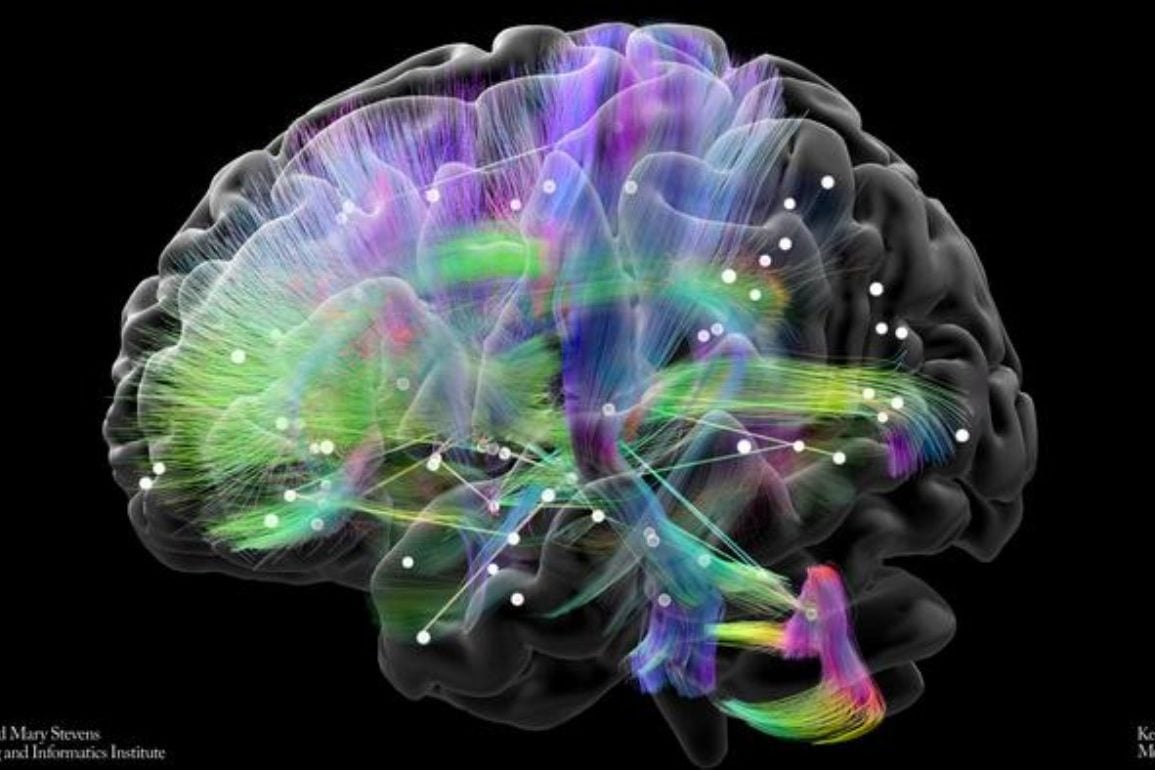
How Ego and Self-Image Change Brain Sync
Why do some individuals struggle with genuine empathy? Brain scans show that people with high grandiose traits fail to synchronize their brain activity with others when watching someone lose face or experience social vulnerability.
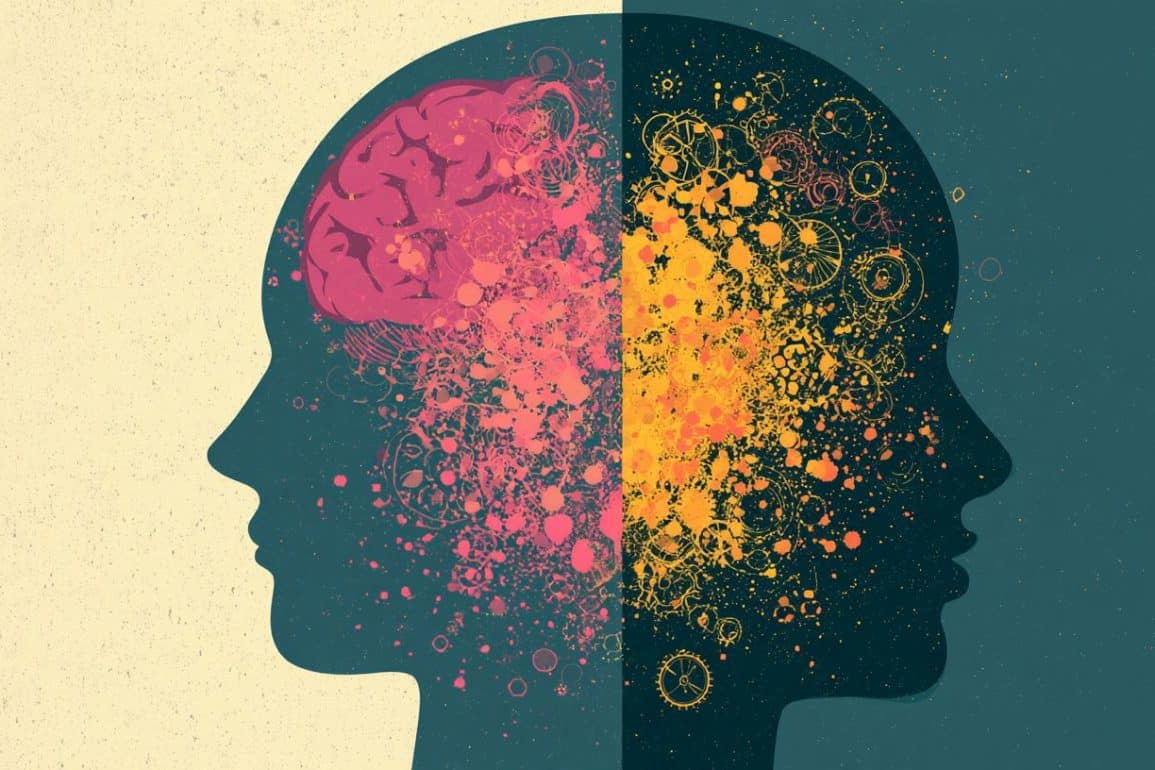
Walking Speed Sharpens Visual Sensitivity to Backward Motion
Why is the brain extra sensitive to backward motion while walking? Research shows that at typical walking speeds, our visual system detects smaller speed changes in contracting optic flow, functioning as a vital reflex to prevent backward falls.

Head Shape and Alzheimer's; Prenatal Choline and Kids' IQ; Aspirin and Dementia
(MedPage Today) -- Can head shape influence Alzheimer's disease pathology? (Alzheimer's & Dementia) The newly launched AD-Smart Alzheimer's disease platform trial will test repurposed drugs in the U.K., starting with the diabetes drug metformin...

Why the Left Brain Controls the Right Body
Why does the left side of your brain control the right side of your body? Neuroscientists at the University of Minnesota propose that the brain’s cross-wiring originated from the optical inversion of ancient eyes, which forced motor and sensory circuits to follow a contralateral map over 500…
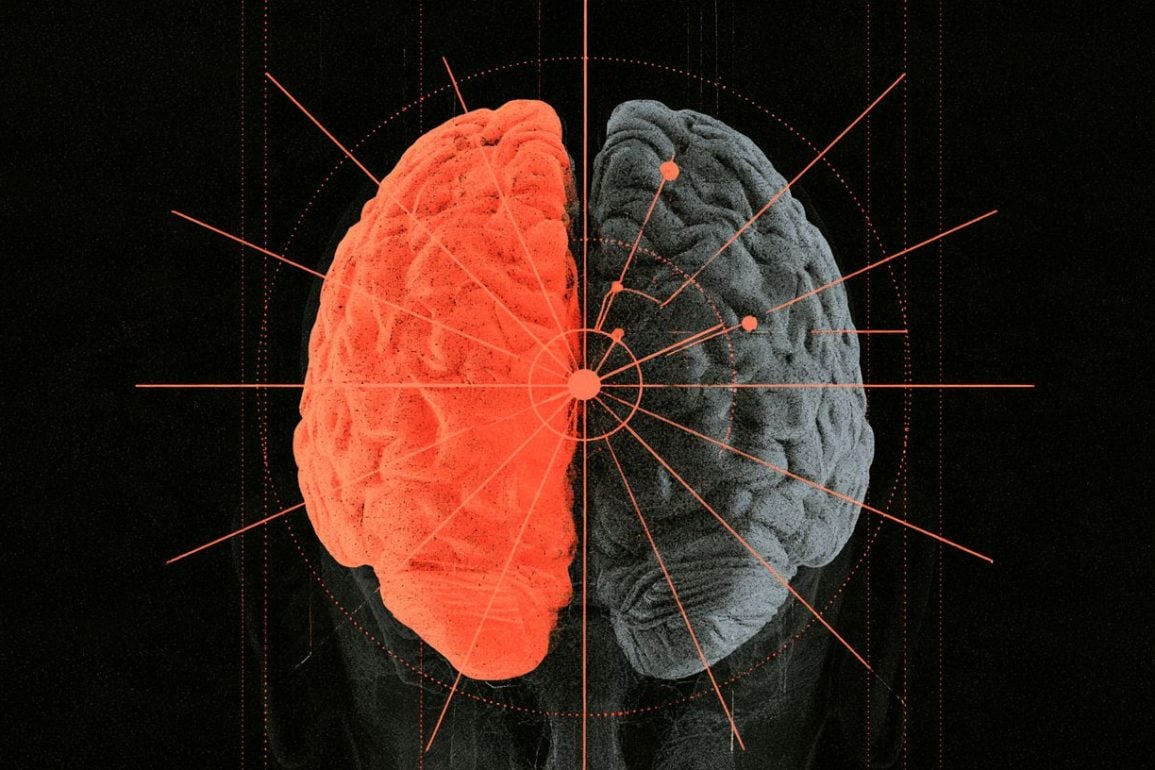
Wearable Vagus Nerve Devices Rewire Depressive Brains
Vagus nerve stimulation is a proven treatment for depression, but it has historically required surgery. A comprehensive review in Med-X shows how wearable ear and neck bioelectronics are transforming non-invasive VNS into an accessible, AI-guided home therapy.
Artiva to quit autoimmune cell therapy work, cut staff after patient deaths
The disclosure makes Artiva the third company to recently report fatal events in an autoimmune cell therapy trial, following announcements from Novartis and Bristol Myers Squibb.

After 2 patient deaths and cell therapy durability concerns, Artiva cuts 94% of workforce
Artiva Biotherapeutics, which had been evaluating cell therapy AlloNK for the treatment of rheumatoid arthritis and other autoimmune diseases, is exploring strategic options that could include dissolution and liquidation.
Was Maximierer und Genügsame unterscheidet – und wer am Ende zufriedener ist
Wer immer die beste Wahl treffen will, macht sich das Leben unnötig schwer, weiß der Neuroforscher Henning Beck. Er erklärt, mit welchen Tricks sich bessere Entscheidungen treffen lassen – und warum Perfektionisten oft unzufriedener sind.

Trump reopened an LGBTQ+ suicide hotline. But the department that runs it vows to ‘restore biological truth’
While organizations celebrate the reinstatement of the ‘press 3’ option by Samsha, details about rollout and training counselors remain secret For nearly three years, counselors through the 988 Suicide & Crisis Lifeline for LGBTQ+ individuals answered more than 1.5m calls, texts and online chats –…

Remember This Acronym Next Time You’re Facing a Big Medical Decision: B.R.A.I.N.
(Maria Fabrizio for WPLN and KFF Health News) Gina Conley, an Army veteran in Aberdeen, North Carolina, knew she wanted a low-intervention birth for her first child. But her plan started to go off the rails as soon as she got to the hospital. “Everything that I did not want to happen had happened,”…
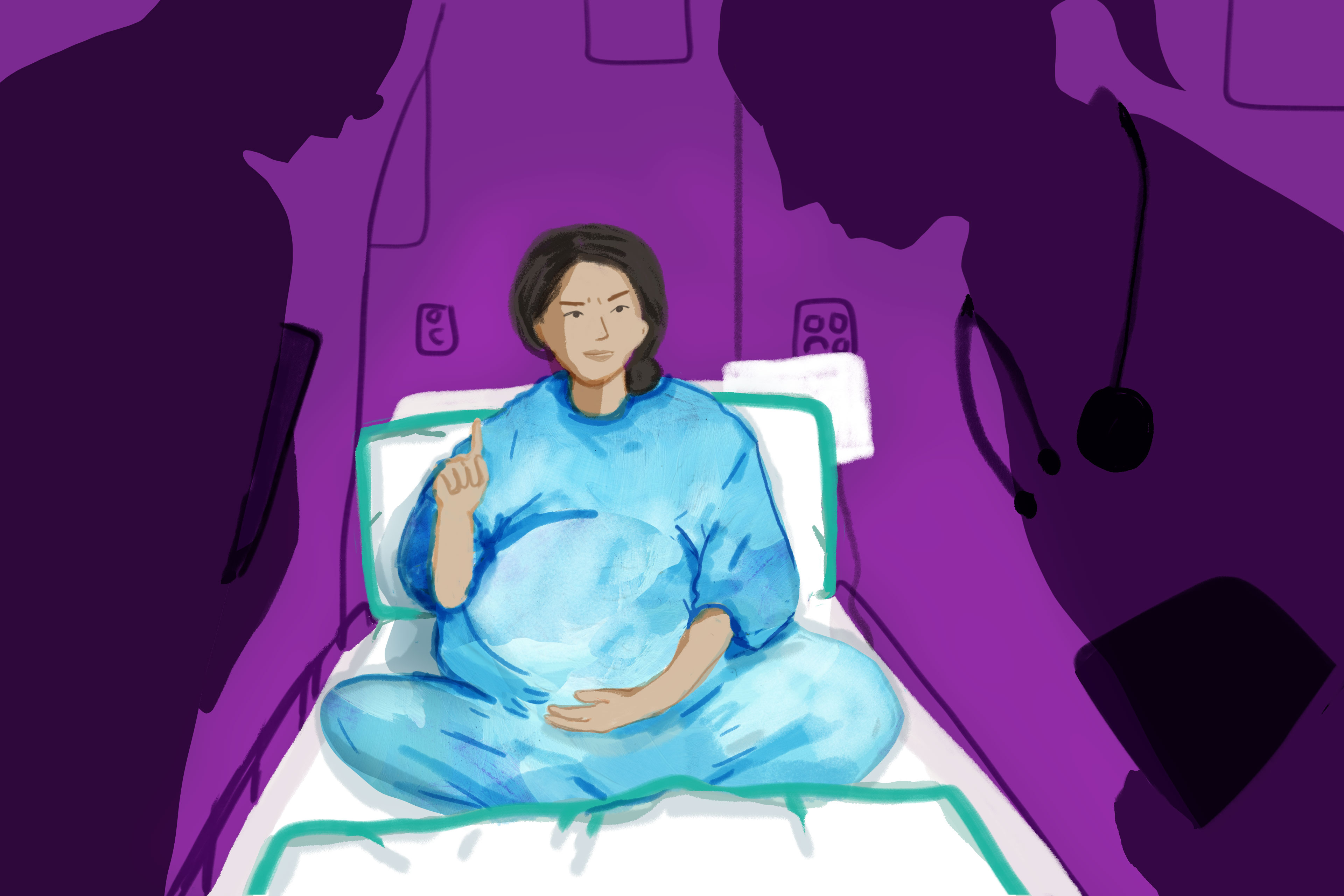
Spätdiagnose AuDHS als Frau: Schritt für Schritt ins Leben
22 Jahre, einen Klinikaufenthalt und zwei Diagnosen brauchte es für meinen Start in den Heilungsprozess. Heute lebe ich glücklich – als Autistin mit ADHS

Asthma deaths reach decade-high levels and number of Australians dying of dementia grows
Dementia, including Alzheimer’s disease, accounted for more than 10% of all deaths for the first time, new data reveals Get our breaking news email , free app or daily news podcast Dementia has accounted for more than 10% of all deaths for the first time, while the number of people dying from…
Warum verordnen und verkaufen wir Medikamente nicht stückgenau?
Mein Forum: Diskutieren Sie dieses Thema mit der STANDARD-Community

Therapeut: „Werden Kinder ständig mit Medien beruhigt, können ihnen wichtige Lernerfahrungen fehlen“
Wer schon früh lernt, Gefühle mit dem Bildschirm zu verdrängen, kann später Schwierigkeiten haben, den Medienkonsum zu regulieren, warnt ein Therapeut – und gibt Tipps, wie Eltern ihre Kinder beim Umgang mit sozialen Medien unterstützen können

Asymptomatic Carotid Revascularization May Be Justified, but Not to Improve Cognition
Stroke is a feared complication of atherosclerotic carotid artery stenosis. After years of debate regarding the value of revascularizing asymptomatic carotid stenosis in the modern era of intensive medical prevention with antiplatelet therapy and high-intensity statins, the CREST-2 trial revisited…
Brain Stimulation Stops Sexual Objectification
Sexualized images of women are often processed visually like objects rather than people. A new study shows that 10 minutes of non-invasive brain stimulation restores holistic human recognition, temporarily erasing this objectification bias.
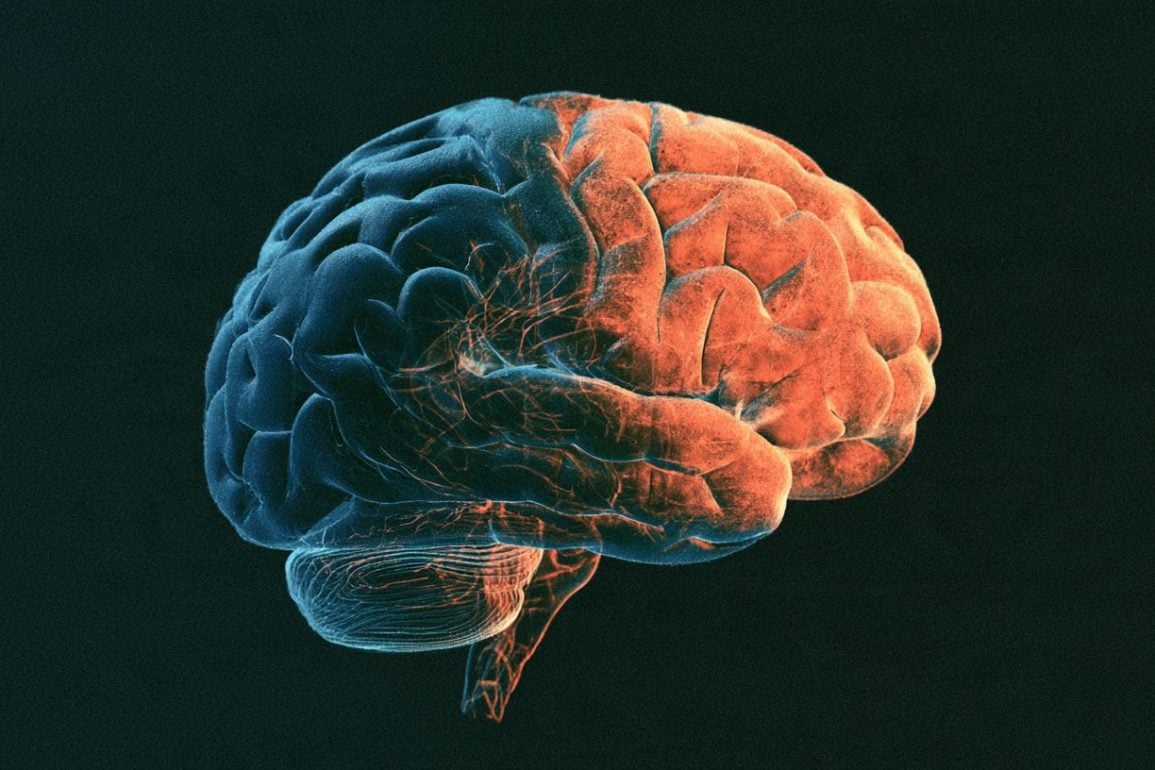
The Brain Anchors Others’ Experiences to Our Own Mental Maps
How does watching someone else get hurt teach us to avoid danger? Researchers at the Social Brain Lab discovered that hippocampal place cells link spatial coordinates to another individual's emotional distress, consolidating the memory during rest and shedding light on vicarious PTSD.
Red flag as foreign students log thousands of insurance claims for depression, anxiety
One of the four biggest providers of health insurance for foreign students received 6500 claims for mental health problems last year.
Why Adapting to Change Is Harder in Autism
Autistic individuals show dampened brain responses to negative feedback and confidence, explaining cognitive adaptation challenges.
Cocktail Party Effect: Why Emotion Cuts Through Noise
How does your brain pick out one voice in a crowded room? A new study reveals that emotional relevance amplifies neural speech tracking, while fragmented topic changes force the brain to work harder and longer to decode meaning.
I was on Instagram so much, I was missing out on my young children’s lives | Letters
Emma Roberts on experiencing life in the real world rather than on social media. Plus letters from Warwick Mihaly , Madison Heckel , Zainab Chasb , Helen Clutton and Gordon Smart Like Georgina McNamara ( The one change that worked: I deleted Instagram – and embraced the joys of a truly private…

Tracking Key Mental Health and Substance Use Policy Actions Under the Trump Administration
A new KFF tracker highlights key federal policy actions during President Trump’s second term that concern issues related to mental health and substance use. The second Trump administration has emphasized law-and-order strategies and scaled back several mental health and substance use-related…
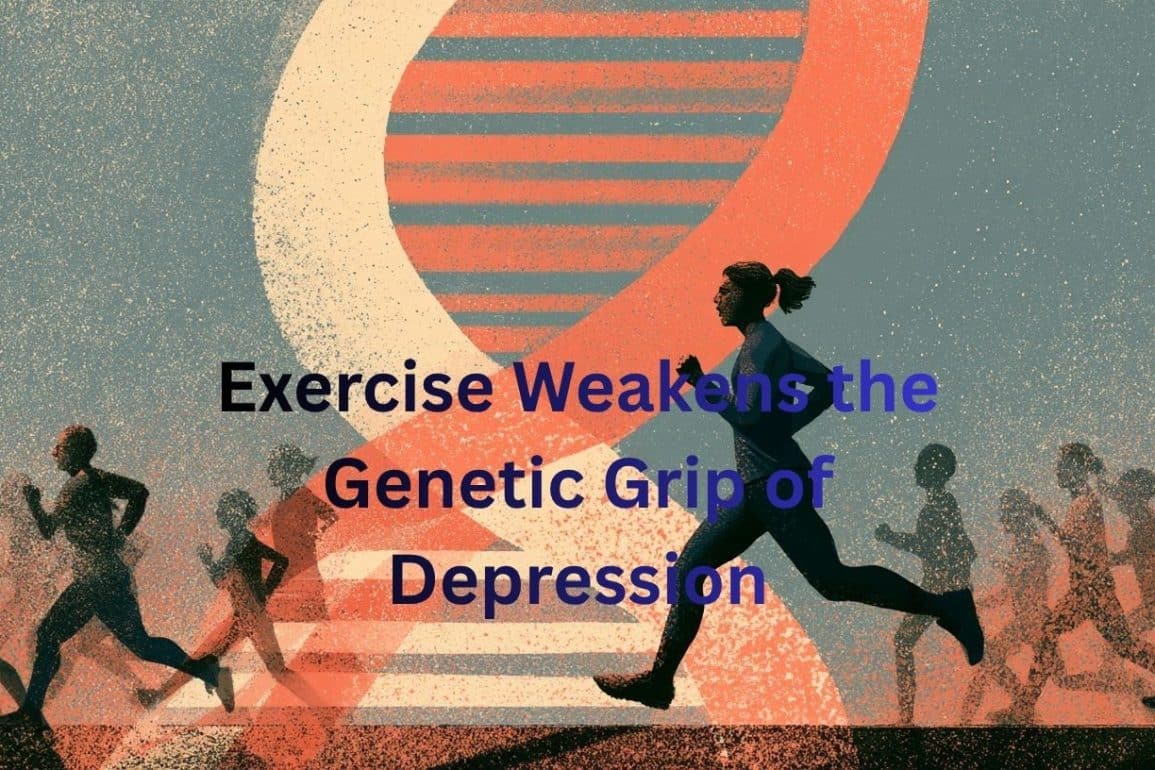
Daily Exercise Weakens the Grip of Genetic Risk for Depression
Can daily movement offset your DNA? A nationwide study of NIH All of Us data published in Nature Mental Health reveals that higher daily steps and moderate-to-vigorous exercise significantly reduce depression severity in people with high genetic risk.
Amyloid Fibrils Protect the Father’s Genetic Message
Amyloid proteins are infamous for driving Alzheimer's disease, but neuroscientists discovered they play a vital role in reproduction. In semen, amyloid fibrils act as natural escorts that bind, protect, and deliver epigenetic RNA directly into sperm cells.
Opinion: Could long-term AI use lead to isolation? We need to find out — but researchers need better access to data
OpenAI recently announced that it is tracking signs of user distress across sessions, rather than only within them, and using that information to inform model responses. The announcement follows a wave of new safeguards for mental health and well-being conversations with artificial intelligence at…

Plastische Chirurgin: "Für jede Frau gibt es die ideale Operationsmethode bei Brustkrebs"
Eine Brustkrebsdiagnose ist erst einmal ein Schock. Dann folgt oft die Frage: wie wird meine Brust danach aussehen? Expertin Elisabeth Russe klärt auf

Neurophysiological signatures underlying preserved lexical-semantic proficiency in healthy aging
Publication date: February 2027 Source: Neurobiology of Aging, Volume 170 Author(s): Pietari Nurmi, Heidi Ala-Salomäki, Hanna Renvall, Mia Liljeström
The effect of neurodegeneration on ultrasonic vocalisations (USV) and their neuronal substrates in mice and rats: A systematic review
Publication date: January 2027 Source: Neurobiology of Aging, Volume 169 Author(s): Charissa Calemi, Rose Bruffaerts, Tommas Ellender
Association of mitochondrial copy number and heteroplasmy with cognitive function in the ACCORD trial
Publication date: January 2027 Source: Neurobiology of Aging, Volume 169 Author(s): Michelle C. Odden, Yongmei Li, Vasantha Jotwani, Meghana S. Eswarappa, Rebecca Scherzer, Michael G. Shlipak, Dan E. Arking, Wen Shi, Joachim H. Ix, Robyn Jones, Anima Sharma, Lea McGeever, Pierre-Yves Desprez…
Regional distribution of mineralized blood vessels in Alzheimer disease and clinicopathological associations: A multicenter autopsy study
Publication date: January 2027 Source: Neurobiology of Aging, Volume 169 Author(s): David Garcia, Naomi Saito, Shyam Tamizharasu, Louise Nicole C. Sevilla, Melanie N. Luu, Laurel Beckett, Lawrence S. Honig, Charles S. DeCarli, David G. Coughlin, Andrew F. Teich, Dan M. Mungas, Lee-Way Jin, Lorena…
Structural brain indicators of cognitive performance in middle and late adulthood: The Human Connectome Project in Aging/Aging Adult Brain Connectome cohort
Publication date: January 2027 Source: Neurobiology of Aging, Volume 169 Author(s): Yue Hong, Christa Michel, Gabriele Maria Gassner, Yiwen Zhang, Courtney Accorsi, Beau M. Ances, Lauren M. Antonucci, Steven E. Arnold, Ganesh M. Babulal, Susan Y. Bookheimer, Randy L. Buckner, Carlos Cruchaga…
Neuropathology of centenarians and supercentenarians: An autopsy study
Publication date: January 2027 Source: Neurobiology of Aging, Volume 169 Author(s): Shino Magaki, Spencer Tung, D. Jason Sinclair, Christopher K. Williams, Annlia Paganini-Hill, Adrian Murillo, Su Aung, Jeffrey Goldstein, Diana Vulcain, Noriko Salamon, Ariadna Martinez, Leopoldo Valiente Banuet…
Plasma inflammatory markers and brain white matter microstructure in late middle-aged and older adults
Publication date: January 2027 Source: Neurobiology of Aging, Volume 169 Author(s): Siona Mishra, Corinne Pettigrew, Chidi Ugonna, Nan-kuei Chen, Jennifer B. Frye, Kristian P. Doyle, Lee Ryan, Marilyn Albert, Sara Grace Ho, Abhay Moghekar, Anja Soldan, Elizabeth R. Paitel
Bilingualism modulates baseline brain–cognition relationships in aging: Evidence from the HABS-HD cohort
Publication date: January 2027 Source: Neurobiology of Aging, Volume 169 Author(s): Lihua Xia, Didac Vidal-Pineiro, Karin L. Meeker, Richard Henson
Spatial brain structures are selectively preserved during aging in homing pigeons ( Columba livia ), an avian spatial specialist
Publication date: January 2027 Source: Neurobiology of Aging, Volume 169 Author(s): Broderick M.B. Parks, Casandra Hayar, Debbie M. Kelly, Leslie S. Phillmore
Individual Differences in Cognitive Aging Rodent Datasets (ID-CARD): A collaborative platform for behavioral analysis across the lifespan
Publication date: January 2027 Source: Neurobiology of Aging, Volume 169 Author(s): Joseph A. McQuail, Carol A. Barnes, Jennifer L. Bizon, Sara N. Burke, John F. Disterhoft, Thomas C. Foster, Matt Huentelman, Catherine C. Kaczorowski, Jeffrey M. Long, Shannon J. Moore, Peter R. Rapp, Yaakov Stern…
Sex difference in brain reserve of working memory among older adults
Publication date: January 2027 Source: Neurobiology of Aging, Volume 169 Author(s): Jia-Jie Xu, Erin Goddard, Roger A. Dixon, Ranmalee Eramudugolla, Runyu Huang, Hai-Xin Jiang, Kaarin J. Anstey
Stratifying Heterogeneity in Mild Cognitive Impairment: A Multimodal Subtype and Stage Inference Approach
Publication date: Available online 24 October 2026 Source: Neurobiology of Aging Author(s): Chiari-Correia Rodolfo, Soares-Rodrigues Vinícius, Biondo Francesca, Young Alexandra, Oxtoby Neil, Cole James, Salmon-Garrido Carlos, for the Alzheimer’s Disease Neuroimaging Initiative
Aging-associated loss of CPEB4 impairs mitochondrial adaptation and promotes stress-induced senescence in alveolar type II cells
Publication date: December 2026 Source: Mechanisms of Ageing and Development, Volume 234 Author(s): Xinyi Li, Zhifang Fu, Dan Sun, Zirun Jin, Hongmei Jiao
Endogenous androgens, physical and cognitive function in healthy midlife men: A systematic review
Publication date: December 2026 Source: Mechanisms of Ageing and Development, Volume 234 Author(s): Dan Keren, Roee Hayek, Yoel Toledano, Tzipi Strauss, Shmuel Springer, Abigail Goshen
Loss of Ca 2 + signaling fidelity during aging: Mitochondrial dysfunction, senescence, and cognitive–motor decline
Publication date: December 2026 Source: Mechanisms of Ageing and Development, Volume 234 Author(s): Sergio Linsambarth, Alejandra Lopez-Moroni, Cesar Casanova, Simon Alarcon, Loreto Araos, Andrea Puebla-Huerta, Fabian Jaña, Alenka Lovy, Carlos Villalobos, J. Cesar Cárdenas
Metformin therapy increases leukocyte telomere length, telomerase activity, and longevity gene expression in Asian Indians with prediabetes: A 24-week participant-blind, outcome-assessor–blinded randomized controlled trial
Publication date: December 2026 Source: Mechanisms of Ageing and Development, Volume 234 Author(s): Surya Prakash Bhatt, Shivam Pandey, Anoop Misra
To longevity and beyond: A systems view of aging and stress resilience
Publication date: October 2026 Source: Mechanisms of Ageing and Development, Volume 233 Author(s): Silvia Sideri, Marianna Cosentino, Laura Forcina, Antonio Musarò
Beyond neurodegeneration: Systemic confounders of blood neurofilament light chain in aging and their implications for neurological biomarker interpretation
Publication date: October 2026 Source: Mechanisms of Ageing and Development, Volume 233 Author(s): Giulia Bonvini, Davide Sattin, Nunzio Iraci, Gabriella Dobrowolny, Maria Cristina De Cola, Antonio Musarò, Christian Lunetta, Aida Zulueta
Puerarin extends lifespan and enhances the resistance to oxidative stress through AMPK/TFEB mediated autophagy in Caenorhabditis elegans
Publication date: October 2026 Source: Mechanisms of Ageing and Development, Volume 233 Author(s): Lingjie Meng, Yang Liu, Xiaocong Li, Xin Xiao, Xinyi Du, Fang Liu, Yi Xiao
Epigenetic drift and LINE-1 activation in aging brain: Implications for neurodegenerative disease
Publication date: October 2026 Source: Mechanisms of Ageing and Development, Volume 233 Author(s): Alkinoos A. Armoundas, Christina Piperi
Expression of Concern to “Increased expression of heat shock proteins in rat brain during aging relationship with mitochondrial function and glutathione redox state” [Mech. Ageing Dev. 125(2004) 325-35]
Publication date: Available online 12 September 2026 Source: Mechanisms of Ageing and Development Author(s): V. Calabrese, G. Scapagnini, A. Ravagna, C. Colombrita, F. Spadaro, D.A. Butterfield, A.M. Giuffrida Stella
Cognitive reserve reconsidered: Asymmetry across proxies challenges a domain-general mechanism
Publication date: January 2027 Source: Ageing Research Reviews, Volume 123 Author(s): Kenneth R. Paap, John Majoubi, Joo Hee Won
Neurodegeneration in sub-Saharan Africa: Intersections of biological ageing, genomic diversity and the lifetime exposome
Publication date: January 2027 Source: Ageing Research Reviews, Volume 123 Author(s): Maulilio John Kipanyula
Heart–brain co-ageing: Phenotypic heterogeneity, molecular mechanisms and translational interventions
Publication date: January 2027 Source: Ageing Research Reviews, Volume 123 Author(s): Haozhang Huang, Weipeng Zhang, Cailan Hou, Xiaozhao Lu, Huangtao Ruan, Jin Liu, Tong Lei, Shiqun Chen, Ming Chen, Yong Liu
Turning back the ageing clock? Brain age in neuroprotective and clinical interventions
Publication date: January 2027 Source: Ageing Research Reviews, Volume 123 Author(s): Yuke Luo, James H. Cole, Hanna Lu
Lifelong Epstein-Barr virus persistence as a stress test of ageing immune surveillance: From infectious mononucleosis to chronic active EBV disease and virus-associated malignancy
Publication date: January 2027 Source: Ageing Research Reviews, Volume 123 Author(s): Yue Cao, Yanying Liang, Chenxi Zhao, Zhe Zhou, Shenglei Yu, Qingluan Yang, Lingyun Shao
What can narcolepsy teach us about hypocretin and dementia?
Publication date: January 2027 Source: Ageing Research Reviews, Volume 123 Author(s): Renata K. Carvalho, Tathiana A. Alvarenga, Fernando M.S. Coelho, Sergio Tufik, Monica L. Andersen
Redox–mitochondrial crosstalk in neurotoxicity: Regulated cell death pathways and neuroprotective strategies
Publication date: January 2027 Source: Ageing Research Reviews, Volume 123 Author(s): Kunal Bhattacharya, Nongmaithem Randhoni Chanu, Pukar Khanal, Dibyajyoti Das
Nuclear medicine-based diagnosis and therapeutic strategies for neurodegenerative diseases: Clinical progress
Publication date: January 2027 Source: Ageing Research Reviews, Volume 123 Author(s): Yi Li, Ke Pu, Deqiang Li, Yijin Zhao, Qixin Cai, Xin Zhou, Shaoqing Li, Yue Chen, Zhijun Zhou, Yang Liu
Decoding SUMOylation as a metabolic stress sensor in aging and age-related disorders: Mechanisms, tissue specificity and therapeutic potential
Publication date: November 2026 Source: Ageing Research Reviews, Volume 122 Author(s): Xinyue Liu, Shuanghong Chen, Dongcan Liu, Siyu Zou, Liming Deng, Ye Gao, Wanqian Xu, Yining Xie, Jie Peng, Liang Hao
Convergent vulnerability and divergent outcomes of the dopaminergic system in Parkinson’s and Alzheimer’s diseases
Publication date: November 2026 Source: Ageing Research Reviews, Volume 122 Author(s): Yu-ting Xi, Chen-xi Jia, Hui-dan Wang, Pei-yao Liu, Peng Li, Qianqian Niu, Ya-ling Yin
Experience-dependent plasticity of large-scale brain networks in aging: How different training modalities shape neural connectivity
Publication date: November 2026 Source: Ageing Research Reviews, Volume 122 Author(s): Federico Gennaro, Lorenzo Pini, Maurizio Corbetta, Eling D. de Bruin, Patrick Manser, Tatiana Moro, Marika Berchicci, Antonio Paoli
Targeting senescence-associated biomarkers: Emerging strategies for anti-ageing therapy
Publication date: November 2026 Source: Ageing Research Reviews, Volume 122 Author(s): Zhe Qin, Lu Zhang, Jianping Song, Yifan Chen, Yidan Zhou, Jizhun Wu, Xiang Li, Liang Chen, Zhuolong Zhou
Vaccination strategies in neurodegenerative proteinopathies
Publication date: November 2026 Source: Ageing Research Reviews, Volume 122 Author(s): Chunhao Tao, Deming Zhao, Lifeng Yang
Neuro-metabolic ageing drives diabetes-associated neurodegeneration: A geroscience and network pharmacology perspective
Publication date: November 2026 Source: Ageing Research Reviews, Volume 122 Author(s): Sakshi Tiwari, Bilal Siddiqui, Saman Fatima, Monica Saifi, Imran A. Khan, M.Z. Abdin
When Suffering Is Confused for Strength
When Suffering Is Confused for Strength

ADHD medication amplifies brain response to grammatically ambiguous sentences, study finds
In a neuroimaging study published in PNAS, a team of researchers led by the Max Planck Institute for Psycholinguistics in Nijmegen recorded the brain activity of healthy adults during sentence comprehension after raising catecholamine levels with stimulant medication (methylphenidate). Higher…

How To Stay Sane, Rested, and Useful During Hard Times | Katherine May
Winter is coming. The author of Wintering on weathering the cold, dark seasons, literally and otherwise, with rituals, cold-water swimming, reading in the middle of the night, and a lesson from a hibernating dormouse. Katherine May is the New York Times bestselling author of Wintering: The Power of…
Night shifts during pregnancy linked to heightened risk of young child's neurodevelopmental abnormalities
Working night shifts during pregnancy is linked to a heightened risk of neurodevelopmental abnormalities detected by screening in the child by the age of 4, finds research published online in Occupational & Environmental Medicine.

In Life, as in the Navy, He Knew How to Change Course
The man I'm lucky enough to call my father.

Neural network spots previously missed epilepsy signs on brain MRIs
Researchers from the joint Biomedically-Informed AI Laboratory of Skoltech (a VEB.RF Group institution) and the University of Sharjah and their colleagues have improved the performance of computer vision algorithms that look for signs of epilepsy and multiple sclerosis on brain MRI scans. Rather…

'Cobwebbing' Can Help You Move On in Dating
'Cobwebbing' Can Help You Move On in Dating

Can quitting nicotine really give strong anxiety, depression and physical symptoms? Link inside.
Hello everyone, I've struggled with an elevated heart rate this year and figured that if I am to recover from whatever is causing it I should quit the nicotine pouches I've been on daily (10-15 pouches of 12-15 mg each) for years now. I quit cold turkey and it's now been 27 days. Quitting went…
What is THE MOST effective way at lowering cortisol and stress
I sleep good and I supplement magnesium glycinate and l theanine but it’s not enough, I need advice. submitted by /u/EndAggravating5093 [link] [comments]
What is the best way yall have found to lower cortisol / stress?
I realized my cortisol and stress was pretty high a little while back and I’ve reduced a lot of it my supplementing l theanine, magnesium glycinate and optimizing my sleep. But I want to lower it more. submitted by /u/EndAggravating5093 [link] [comments]
A los españoles no les da miedo envejecer, pero les aterra el deterioro cognitivo
El 69% de los encuestados en el Stada Health Report afirman que lo que más les asusta de hacerse mayores es el deterioro cognitivo. El mismo informe recoge que los ciudadanos quieren dar espacio a la IA en su salud, pero sin sustituir nunca al médico.

Extreme brain fog and head pressur
I take 5mg Tadalafil occasionally, but the side effects on my head and cognitive function are really rough for one to two days. I experience heavy brain fog, sluggish thinking, and poor verbal recall as if my working memory is blocked. Along with that comes a mild headache combined with an annoying…
‘They cast no reflection, yet they are a mirror’
Illustration by Liz Zonarich/Harvard Staff Arts & Culture ‘They cast no reflection, yet they are a mirror’ Monsters take many forms in our Halloween book recommendations — from vampires to demonic cats to ancient sea reptiles Sy Boles Harvard Staff Writer October 27, 2026 long read What do…

Birdwatching rewires the brain and slows cognitive decline
submitted by /u/Carriage2York [link] [comments]
Nothing here with your current source settings.